
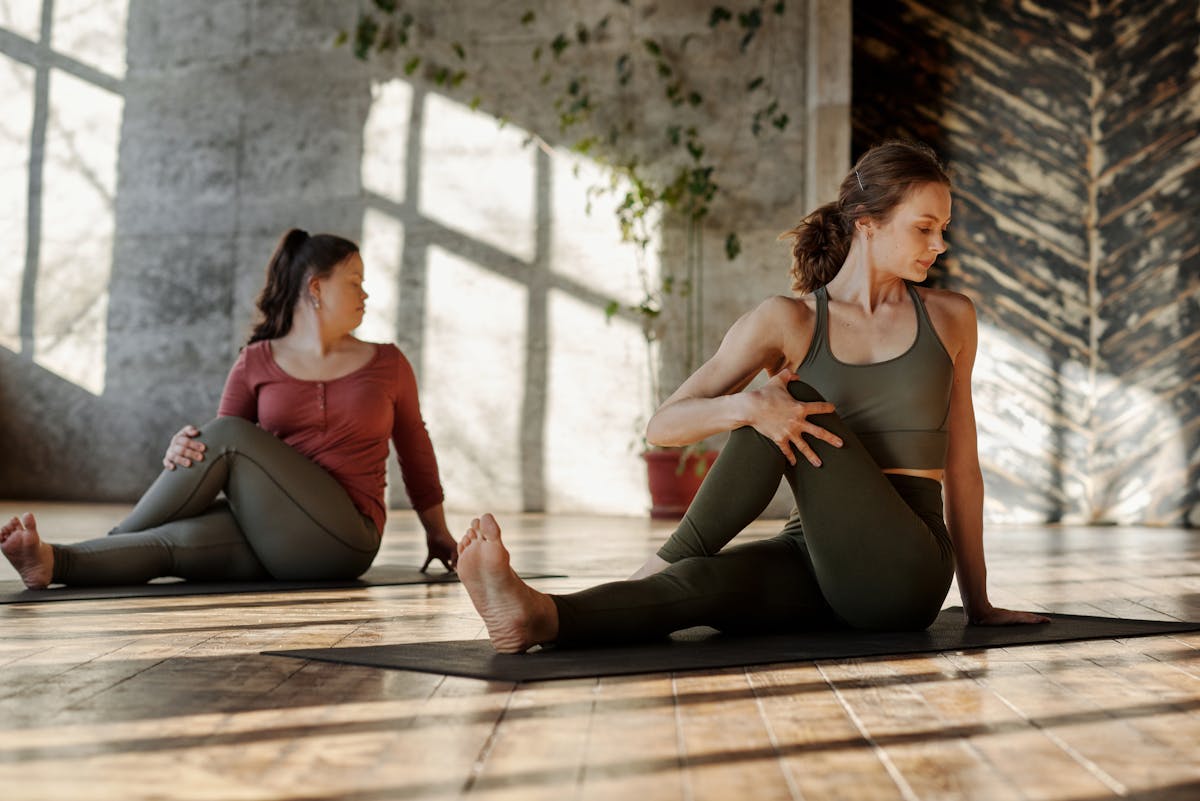

A February 2026 study has revealed what practitioners of tai chi have long believed: this ancient practice can significantly improve bone health markers in perimenopausal and postmenopausal women, offering a gentle yet effective approach to maintaining skeletal strength during a critical life transition.
The Bone Health Challenge for Women
During perimenopause and menopause, declining estrogen levels accelerate bone loss. Women can lose up to 10% of their bone mass in the first five years after menopause, increasing risk for:
- Osteoporosis
- Hip fractures
- Vertebral compression fractures
- Wrist fractures
While medications exist for osteoporosis prevention, they often come with side effects. Exercise recommendations typically focus on high-impact activities or weight training, which may not be suitable for everyone.
Tai Chi: The Research
Researchers found that regular tai chi practice in perimenopausal and postmenopausal women led to:
- Improved bone mineral density markers
- Better balance and fall prevention
- Reduced inflammatory markers associated with bone breakdown
- Enhanced quality of life scores
Tai chi, often called “moving meditation,” combines:
- Slow, controlled movements
- Weight shifting and single-leg stance practice
- Deep breathing
- Mental focus and relaxation
How Tai Chi Supports Bone Health
Tai chi provides low-impact, multidirectional loading on bones:
- Weight transfer stimulates bone-forming cells
- Varied movements load bones from different angles
- Safe for those with existing joint issues
Falls are the leading cause of fractures in older adults. Tai chi reduces fall risk by:
- Strengthening ankle and hip stabilizers
- Improving proprioception (body awareness)
- Training reactive balance
- Building confidence in movement
Chronic stress elevates cortisol, which accelerates bone breakdown. Tai chi:
- Reduces cortisol levels
- Promotes relaxation response
- May help balance other hormones affected by menopause
Research shows tai chi reduces inflammatory markers linked to:
- Bone resorption (breakdown)
- Joint pain and stiffness
- Systemic inflammation
Getting Started with Tai Chi
1. Move slowly – Each movement should flow continuously
2. Stay relaxed – Avoid tensing muscles unnecessarily
3. Breathe deeply – Coordinate breath with movement
4. Focus mentally – Be present in each movement
| Level | Frequency | Duration |
| Beginner | 2-3 times weekly | 20-30 minutes |
| Intermediate | 3-4 times weekly | 30-45 minutes |
| Advanced | 4-5 times weekly | 45-60 minutes |
- Local classes: Community centers, yoga studios, senior centers
- YMCA/JCC: Often offer tai chi programs
- Virtual options: Online classes became widely available after 2020
- DVD/Streaming: Instructional videos for home practice
Key Movements for Bone Health
- Gentle twisting motion
- Weight shifting side to side
- Engages spine and hips
- Forward and backward weight shifts
- Upper body rotation
- Strengthens legs and core
- Single-leg balance
- Hip strengthening
- Fall prevention training
- Backward stepping
- Coordination practice
- Weight transfer training
Complementary Strategies
Tai chi works best alongside other bone-healthy habits:
- Calcium: 1200mg daily from food or supplements
- Vitamin D: 1000-2000 IU daily (check levels)
- Vitamin K2: Supports calcium deposition in bones
- Protein: Adequate intake for bone matrix
- Resistance training: 2-3 times weekly
- Walking: Weight-bearing cardiovascular exercise
- Balance exercises: Add variety to tai chi practice
- Avoid smoking: Accelerates bone loss
- Limit alcohol: Excess impairs bone formation
- Adequate sleep: Essential for bone remodeling
What to Expect
- Improved balance
- Better coordination
- Reduced stress levels
- Greater body awareness
- Measurable strength gains
- Improved confidence in movement
- Better posture
- Enhanced quality of life
- Potential bone density improvements
- Significant fall risk reduction
- Sustained practice benefits
Who Benefits Most
Tai chi is particularly valuable for:
- Women in perimenopause (ages 45-55)
- Postmenopausal women
- Those with osteopenia or osteoporosis
- Women who cannot tolerate high-impact exercise
- Anyone at risk for falls
Key Takeaway
The February 2026 research confirms that tai chi offers a safe, accessible, and effective approach to bone health during the menopausal transition and beyond. Its combination of gentle movement, balance training, and stress reduction makes it ideal for women seeking natural ways to support their skeletal health.
Start with 20-30 minutes, 2-3 times per week, and build gradually. The benefits extend far beyond bone health to improved balance, reduced stress, and enhanced quality of life.
Based on research from Examine.com (February 2026) and studies on tai chi and musculoskeletal health in women.
