
Meta Description: Harvard’s Healthy Eating Plate provides a science-based approach to building balanced meals. Learn how to create nutritious plates with optimal proportions of vegetables, fruits, whole grains, and healthy proteins.
Focus Keywords: healthy eating plate, balanced meal planning, nutrition plate method, Harvard nutrition guide, healthy meal portions
—
Introduction: Beyond Calorie Counting
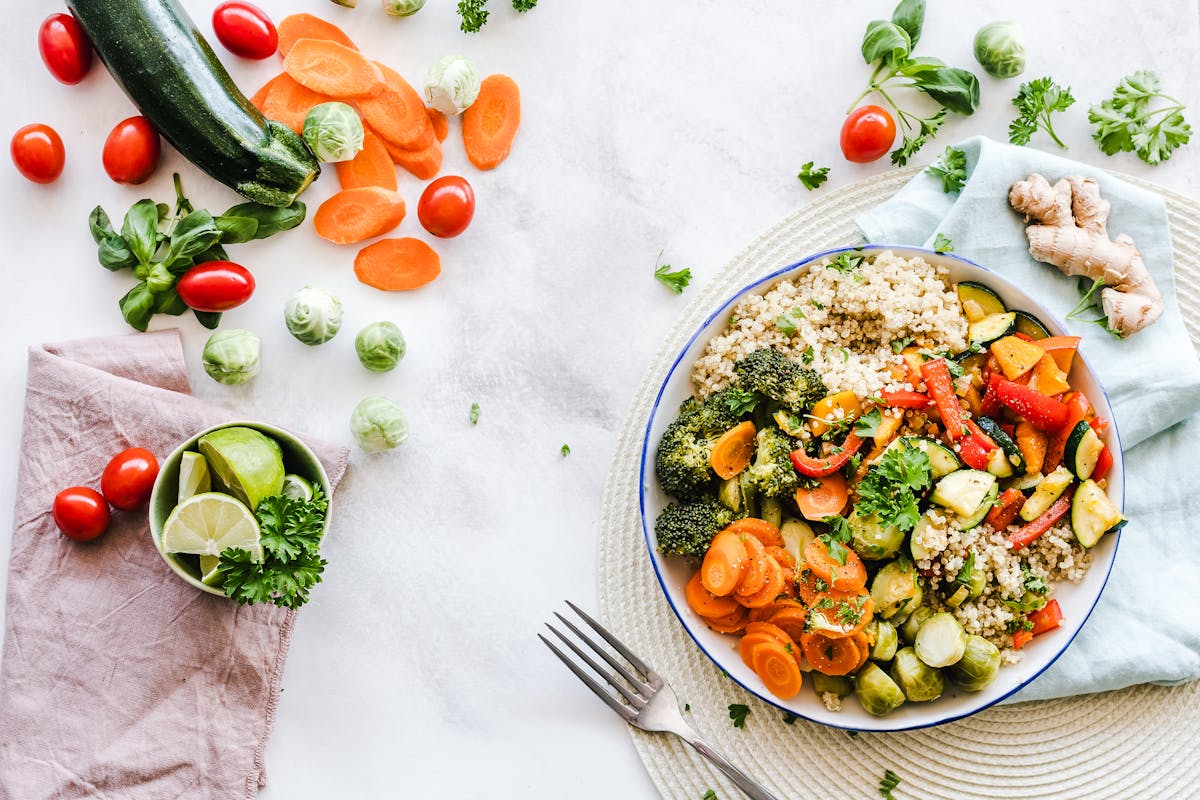
The Healthy Eating Plate, developed by nutrition experts at the Harvard T.H. Chan School of Public Health, offers a simple yet powerful visual guide for creating balanced, nutritious meals. Unlike restrictive diet plans or complex calorie counting, this approach focuses on food quality, proportions, and overall eating patterns—making healthy eating accessible and sustainable for everyone.
This guide explains the science behind each component of the Healthy Eating Plate and provides practical strategies for implementing this evidence-based approach in your daily life.
The Five Sections of the Healthy Eating Plate
1. Vegetables and Fruits (1/2 of Your Plate)
Proportion: Fill half your plate with colorful vegetables and fruits at every meal.
Why This Matters:
- Vegetables and fruits are nutrient-dense and relatively low in calories
- Rich in vitamins, minerals, antioxidants, and fiber
- Associated with reduced risk of heart disease, stroke, type 2 diabetes, and some cancers
- Fiber supports digestive health and satiety
Quality Matters:
- Prioritize whole fruits over juice: Juice lacks fiber and concentrates sugar
- Go for variety: Different colors provide different phytonutrients
- Red (tomatoes, peppers): Lycopene
- Orange/yellow (squash, carrots): Beta-carotene
- Green (leafy greens, broccoli): Folate, vitamin K
- Blue/purple (berries, eggplant): Anthocyanins
- White (cauliflower, mushrooms): Various beneficial compounds
Tips for Success:
- Aim for 5+ servings daily (minimum)
- Include vegetables at every meal, including breakfast
- Keep cut vegetables ready for easy snacking
- Add frozen vegetables to soups, stews, and stir-fries
- Choose seasonal produce for better flavor and nutrition
Potatoes Don’t Count:
- While potatoes have nutritional value, they’re high in starch
- Count potatoes as part of the whole grains section instead
2. Whole Grains (1/4 of Your Plate)
Proportion: Make a quarter of your plate whole grains.
The Science:
Whole grains contain all three parts of the grain:
- Bran: Fiber, B-vitamins, minerals, antioxidants
- Germ: Healthy fats, vitamin E, B-vitamins, phytochemicals
- Endosperm: Starch, some protein
Refined grains strip away the bran and germ, removing fiber and nutrients.
Benefits of Whole Grains:
- Better blood sugar control
- Lower risk of heart disease
- Improved digestive health
- Greater satiety (feeling full)
- Reduced risk of type 2 diabetes
Examples of Whole Grains:
- Whole wheat bread and pasta
- Brown rice, wild rice
- Quinoa
- Oats and oatmeal
- Barley
- Bulgur
- Farro
- Millet
- Whole grain cereals
Reading Labels:
- Look for “100% whole grain” or “100% whole wheat”
- First ingredient should be a whole grain
- Check fiber content (aim for at least 3g per serving)
- Be wary of terms like “multi-grain” or “enriched” (not necessarily whole)
The Carbohydrate Quality Message:
The Harvard Nutrition Source emphasizes that the quality of carbohydrates matters more than the quantity. Whole grains are a key part of a healthy diet, even for those watching carbohydrate intake.
3. Healthy Proteins (1/4 of Your Plate)
Proportion: Make a quarter of your plate healthy protein sources.
Protein Quality Over Quantity:
The Healthy Eating Plate emphasizes choosing healthy protein sources rather than focusing solely on amount. This approach supports heart health, environmental sustainability, and overall nutrition.
Healthy Protein Options:
Fish:
- Especially fatty fish: salmon, sardines, mackerel, herring
- Rich in omega-3 fatty acids
- Linked to reduced risk of heart disease
- Aim for 2-3 servings weekly
Poultry:
- Chicken and turkey
- Choose skinless to reduce saturated fat
- Versatile and affordable
Beans and Legumes:
- Black beans, chickpeas, lentils
- High in fiber and protein
- Economical and environmentally friendly
- Heart-healthy choice
Nuts and Seeds:
- Almonds, walnuts, chia seeds, hemp seeds
- Excellent protein sources
- Provide healthy fats and fiber
- Great for snacks or meal additions
Limit:
- Red meat (beef, pork, lamb)
- Processed meats (bacon, sausage, hot dogs)
- These increase risk of heart disease and cancer
When You Do Eat Meat:
- Keep portions small (3-4 oz, about the size of a deck of cards)
- Choose lean cuts
- Think of meat as a side dish, not the main event
- Consider it a condiment rather than centerpiece
Complete Proteins:
Animal proteins and soy provide all essential amino acids. Plant proteins can be combined throughout the day (rice + beans, hummus + whole grain pita) for complete amino acid profiles.
4. Healthy Oils (In Moderation)
Use Healthy Plant Oils for Cooking and Dressings
The Right Fats:
Not all fats are created equal. The Healthy Eating Plate emphasizes healthy unsaturated fats while limiting unhealthy saturated and trans fats.
Healthy Options:
- Extra virgin olive oil: Heart-healthy monounsaturated fat
- Canola oil: Good balance of fats, high smoke point
- Avocado oil: High smoke point, neutral flavor
- Peanut oil: Good for high-heat cooking
- Safflower and sunflower oils: Versatile options
Why These Are Better:
- Reduce LDL (bad) cholesterol
- Support heart health
- Provide essential fatty acids
- Help absorb fat-soluble vitamins (A, D, E, K)
Oils to Limit or Avoid:
- Trans fats: Found in partially hydrogenated oils
- Raise bad cholesterol, lower good cholesterol
- Check labels carefully
- Saturated fats: Butter, lard, coconut oil
- Limit to less than 10% of daily calories
- Use sparingly
- Tropical oils: Coconut, palm
- High in saturated fat
- Use minimally
How Much to Use:
- Don’t fear healthy fats, but don’t overdo it
- Use enough for cooking and flavor
- Aim for 1-2 tablespoons of oil per meal on average
- Remember nuts, seeds, avocados, and fish also provide healthy fats
5. Healthy Drinks (Water is Best)
Drink Water, Coffee, or Tea
Water:
- Should be your primary beverage
- Essential for all bodily functions
- Aim for 8-10 glasses daily (more with exercise or heat)
- Add lemon, lime, or cucumber for flavor
- Sparkling water counts too
Coffee and Tea:
- Can be part of a healthy diet
- Provide antioxidants
- Limit added sugar and cream
- Moderate caffeine intake (no more than 400mg daily for most adults)
- Herbal teas are caffeine-free options
Limit or Avoid:
- Sugary drinks: Soda, fruit punch, sweetened iced tea, sports drinks
- Contribute to weight gain and type 2 diabetes
- Provide empty calories
- Juice: Even 100% fruit juice
- Lacks fiber of whole fruit
- Concentrates sugar
- Limit to small amounts (4 oz)
- Milk and dairy:
- Not emphasized as necessary
- If you choose dairy, limit to 1-2 servings daily
- Consider fortified alternatives (soy, almond milk)
- Alcohol:
- If consumed, do so in moderation
- Up to 1 drink daily for women, 2 for men
- Not recommended for everyone
The Healthy Eating Plate vs. MyPlate
Key Differences:
Harvard’s Healthy Eating Plate:
- No dairy section
- Healthy oils explicitly included
- Emphasizes whole grains
- Focuses on healthy protein sources
- Explicitly limits sugary drinks
- Includes water recommendation
USDA MyPlate:
- Includes dairy as separate food group
- Doesn’t distinguish whole from refined grains
- Doesn’t specifically address healthy oils
- Less emphasis on protein quality
- Doesn’t explicitly limit sugary drinks
Why the Differences Matter:
No Dairy Required:
- Harvard’s plate doesn’t assume dairy is essential
- Many people are lactose intolerant or choose not to consume dairy
- Calcium and other nutrients can come from leafy greens, fortified alternatives, fish with bones
Quality Emphasis:
- Harvard’s plate focuses on food quality (whole grains, healthy proteins)
- Goes beyond just food groups to address preparation and health impacts
Scientific Independence:
- Harvard’s plate isn’t influenced by agricultural lobbying
- Based solely on nutrition science
- Updates reflect latest research
Beyond the Plate: Additional Guidance
Stay Active
Movement Matters:
- Physical activity is shown next to the plate as a reminder
- Exercise complements healthy eating for:
- Weight management
- Heart health
- Blood sugar control
- Mood and stress management
- Bone density
- Sleep quality
Recommendations:
- 150 minutes moderate aerobic activity weekly
- 2-3 strength training sessions weekly
- Daily movement (walking, stretching)
- Find activities you enjoy
Mindful Eating
How You Eat Matters:
- Slow down: Takes 20 minutes for fullness signals to reach brain
- Pay attention: Eat without distractions (no TV, phone)
- Listen to your body: Stop when satisfied, not stuffed (80% full rule)
- Enjoy your food: Savor flavors and textures
- Notice hunger vs. emotion: Distinguish physical from emotional hunger
Meal Planning with the Healthy Eating Plate
Breakfast:
- 1/2 plate: Fruit (berries, melon) + vegetables (spinach in omelet, tomatoes)
- 1/4 plate: Whole grains (oatmeal, whole grain toast)
- 1/4 plate: Protein (eggs, Greek yogurt, nut butter)
- Healthy oil: Olive oil for cooking, nuts on oatmeal
Lunch:
- 1/2 plate: Large salad with colorful vegetables
- 1/4 plate: Brown rice or quinoa
- 1/4 plate: Grilled chicken, fish, or beans
- Dressing: Olive oil and vinegar
Dinner:
- 1/2 plate: Roasted vegetables (broccoli, peppers, zucchini)
- 1/4 plate: Sweet potato or whole wheat pasta
- 1/4 plate: Baked salmon or tofu
- Cooked with: Olive oil or avocado oil
Snacks:
- Apply the plate principle to snack portions
- Apple with almond butter (fruit + healthy fat/protein)
- Hummus with vegetables (protein + vegetables)
- Greek yogurt with berries (protein + fruit)
Special Considerations
Portion Sizes
Individual Needs Vary:
- Larger, more active people need more food
- Smaller, less active people need less
- The proportions remain the same regardless of plate size
Visual Guides:
- Palm of hand: Protein serving
- Fist: Whole grain serving
- Two handfuls: Vegetable serving
- Cupped hand: Fruit serving
- Thumb: Healthy fat serving
Dietary Restrictions
Vegetarian/Vegan:
- Replace animal proteins with:
- Beans, lentils, chickpeas
- Tofu, tempeh
- Nuts and seeds
- Quinoa (complete protein)
- Ensure adequate vitamin B12 (supplement needed)
- Monitor iron, zinc, calcium intake
Gluten-Free:
- Choose naturally gluten-free whole grains:
- Quinoa, rice, buckwheat, millet
- Certified gluten-free oats
- Avoid if you don’t have celiac or sensitivity
- Many gluten-free products are highly processed
Low-Carb:
- Reduce whole grains portion
- Increase vegetables and healthy fats
- Maintain protein portion
- Focus on non-starchy vegetables
- Still include some whole grains for fiber and nutrients
Diabetes:
- Emphasize low-glycemic foods
- Monitor carbohydrate portions
- Include protein and healthy fats with carbs
- Regular meal timing important
- Work with healthcare provider
Sample One-Day Menu Using the Healthy Eating Plate
Breakfast (7:00 AM)
Vegetable Omelet with Whole Grain Toast
- 2 eggs with spinach, tomatoes, peppers (vegetables)
- 1 slice whole grain toast (whole grain)
- 1/2 avocado sliced (healthy fat)
- 1/2 cup berries (fruit)
- Water or herbal tea
Plate Application:
- 1/2 plate: Vegetables (in omelet) + fruit
- 1/4 plate: Toast
- 1/4 plate: Eggs
- Healthy oil: Olive oil for cooking
Mid-Morning Snack (10:00 AM)
Apple with Almond Butter
- 1 medium apple
- 2 tablespoons almond butter
- Water
Lunch (12:30 PM)
Mediterranean Salad Bowl
- Large mixed greens salad with cucumbers, tomatoes, peppers, olives (vegetables)
- 1/2 cup chickpeas (protein)
- 1/2 cup quinoa (whole grain)
- Grilled chicken breast (3 oz) (protein)
- Olive oil and lemon dressing (healthy oil)
- Small orange (fruit)
- Water with lemon
Plate Application:
- 1/2 plate: Salad vegetables + fruit
- 1/4 plate: Quinoa
- 1/4 plate: Chickpeas + chicken
- Healthy oil: Dressing and olives
Afternoon Snack (3:30 PM)
Greek Yogurt Parfait
- 1 cup plain Greek yogurt
- 1/4 cup walnuts
- 1/2 cup mixed berries
- Water or green tea
Dinner (6:30 PM)
Baked Salmon with Roasted Vegetables
- Roasted broccoli, carrots, Brussels sprouts (vegetables)
- Baked salmon fillet (5 oz) (protein + healthy fats)
- 1/2 cup brown rice (whole grain)
- Side salad with olive oil dressing (vegetables + healthy oil)
- Small apple (fruit)
- Water
Plate Application:
- 1/2 plate: Roasted vegetables + salad + fruit
- 1/4 plate: Brown rice
- 1/4 plate: Salmon
- Healthy oil: Olive oil for roasting and dressing
Evening (Optional, 8:00 PM)
Herbal Tea and Dark Chocolate
- Chamomile tea
- 1 square (1 oz) dark chocolate 70%+
Practical Tips for Implementation
Start with One Meal
Don’t Overwhelm Yourself:
- Begin with one meal per day using the plate method
- Once comfortable, expand to two meals
- Eventually all three meals and snacks
Meal Prep Strategies
Batch Cooking:
- Cook grains in large batches (quinoa, brown rice)
- Roast vegetables at week’s start
- Prepare protein sources (grill chicken, cook beans)
- Store in containers for easy assembly
Vegetable Prep:
- Wash and chop vegetables when you get home
- Keep cut vegetables visible in refrigerator
- Pre-make salads in jars
- Keep frozen vegetables on hand
Eating Out
Navigate Restaurant Menus:
- Look for grilled, baked, or steamed options
- Ask for dressings and sauces on the side
- Substitute extra vegetables for fries or refined grains
- Split large portions or take half home
- Start with a salad or vegetable-based soup
Making Requests:
- “Can I get extra vegetables instead of the bread?”
- “Please use olive oil for cooking”
- “Dressing on the side, please”
- “Can I substitute brown rice for white rice?”
Shopping Tips
Fill Your Cart with:
- Fresh and frozen vegetables (variety of colors)
- Fresh and frozen fruits (mostly whole, minimal juice)
- Whole grains (oats, quinoa, brown rice, whole wheat bread)
- Fish (fresh or frozen)
- Legumes (canned and dried)
- Nuts and seeds
- Olive oil and other healthy oils
- Plain Greek yogurt
- Eggs
Read Labels:
- Check first ingredient (should be whole grain, not enriched flour)
- Look at fiber content (aim for 3g+ per serving)
- Check added sugar (less is better)
- Watch sodium content
- Avoid partially hydrogenated oils (trans fats)
Addressing Common Concerns
“This seems expensive”
Budget-Friendly Strategies:
- Beans and lentils: Extremely affordable protein
- Frozen vegetables: Often more affordable than fresh, equally nutritious
- Seasonal produce: Costs less and tastes better
- Buy in bulk: Grains, nuts, seeds
- Reduce meat: Most expensive component; use as flavoring
- Plan meals: Reduces waste and impulse purchases
- Cook at home: Much cheaper than eating out
“I don’t have time”
Time-Saving Tips:
- Sheet pan meals: Roast protein and vegetables together
- One-pot dishes: Soups, stews, stir-fries
- Batch cook: Prepare multiple meals at once
- Use convenience wisely: Pre-cut vegetables, canned beans (rinse them)
- Simple preparations: Grilled, steamed, raw vegetables
- Leftovers are your friend: Cook once, eat twice
“My family won’t eat this”
Family-Friendly Approaches:
- Start gradually: Make small substitutions
- Involve family: Let kids help choose and prepare vegetables
- Make it appealing: Roasting brings out sweetness
- Sneak it in: Blend vegetables into sauces, smoothies
- Offer choices: “Would you like broccoli or green beans?”
- Be patient: It can take 10-15 exposures before kids accept new foods
- Role model: Eat the foods you want them to eat
“I travel frequently”
Travel Strategies:
- Airports: Look for salads, fresh fruit, nuts
- Hotels: Request a refrigerator; bring nuts, instant oatmeal
- Restaurants: Apply plate principles
- Grocery stores: Buy fresh fruits, vegetables, nuts
- Pack snacks: Nuts, dried fruit (unsweetened), whole grain crackers
“I’m dealing with health issues”
Individualization is Key:
- Diabetes: Work with registered dietitian on carbohydrate portions
- Heart disease: Emphasize fish, vegetables, whole grains; limit sodium
- Kidney disease: May need to limit potassium and phosphorus
- Digestive issues: Work with healthcare provider on fiber tolerance
- Always consult: A registered dietitian or healthcare provider for personalized guidance
The Science Behind the Recommendations
Vegetables and Fruits: The Research
Reduced Disease Risk:
- Meta-analysis of 95 studies: 10 servings daily associated with:
- 33% reduced risk of stroke
- 28% reduced risk of cardiovascular disease
- 13% reduced risk of cancer
- 31% reduced risk of all-cause mortality
Mechanisms:
- Fiber improves cholesterol and blood sugar
- Antioxidants reduce inflammation and oxidative stress
- Potassium supports healthy blood pressure
- Phytochemicals protect cells
Whole Grains: Evidence Base
Heart Disease Prevention:
- Meta-analysis: 3 servings daily reduces heart disease risk by 22%
- Fiber lowers LDL cholesterol
- Associated with lower risk of type 2 diabetes
Weight Management:
- Higher fiber intake associated with lower body weight
- Greater satiety compared to refined grains
Healthy Proteins: Impact on Health
Fish and Heart Health:
- 1-2 servings fatty fish weekly reduces risk of death from heart disease by 36%
- Omega-3 fatty acids reduce inflammation and arrhythmias
Red Meat and Health:
- Associated with increased risk of heart disease, diabetes, cancer
- Processed meats particularly problematic
- Limiting intake is evidence-based recommendation
Plant Proteins:
- Associated with lower risk of heart disease, diabetes, and mortality
- Environmentally sustainable
- Economical
Healthy Fats: Cardiovascular Benefits
Olive Oil:
- PREDIMED study: Mediterranean diet with extra virgin olive oil reduced cardiovascular events by 30%
- Reduces inflammation
- Improves endothelial function
Nuts:
- Regular consumption associated with 35% lower risk of heart disease
- Despite high calories, not associated with weight gain
- Provide healthy fats, protein, fiber
Limiting Sugary Drinks: Critical Evidence
Weight Gain:
- Sugary drinks uniquely contribute to weight gain
- Liquid calories don’t register the same way as solid food
- Meta-analysis: For each daily serving, 60% increased risk of obesity
Type 2 Diabetes:
- 26% increased risk per daily serving
- Rapid blood sugar spikes
Heart Disease:
- Associated with increased risk of cardiovascular disease
- Contribute to unhealthy lipid profiles
Key Takeaways
1. Make vegetables and fruits the star: Half your plate at every meal
2. Choose whole grains over refined: Quarter of your plate
3. Emphasize healthy proteins: Fish, poultry, beans, nuts; limit red meat
4. Use healthy oils: Extra virgin olive oil as primary fat
5. Drink water: Avoid sugary drinks and limit juice
6. Stay active: Complement healthy eating with regular movement
7. Quality over quantity: Focus on food quality rather than strict calorie counting
8. Individualize: Adjust proportions and portions to meet your needs
9. Be consistent: Healthy eating is about patterns, not perfection
10. Enjoy your food: The Healthy Eating Plate should make meals more enjoyable, not stressful
Final Thoughts
The Healthy Eating Plate represents a sustainable, evidence-based approach to nutrition that can be followed for life. Unlike restrictive diets that are difficult to maintain, this framework allows for flexibility while providing clear guidance on building balanced meals.
The beauty of the Healthy Eating Plate lies in its simplicity. No complicated calculations, no forbidden foods, no calorie counting—just a visual guide to help you make better choices at every meal. Whether you’re cooking at home or eating out, the principles remain the same.
Remember that nutrition is just one part of overall health. Combine the Healthy Eating Plate with regular physical activity, adequate sleep, stress management, and strong social connections for optimal wellbeing.
Small changes add up. Start with one meal today, and gradually incorporate these principles into your daily life. Your body will thank you.
—
Sources:
- Harvard T.H. Chan School of Public Health: The Nutrition Source (nutritionsource.hsph.harvard.edu)
- Harvard Healthy Eating Plate
- Nutrition.gov
- British Nutrition Foundation
- USDA Dietary Guidelines
- Multiple peer-reviewed studies cited throughout
