

Meta Description: Discover the 12 fundamental movement patterns that form the foundation of functional fitness. Learn how to classify exercises and build balanced workout programs.
Focus Keywords: fundamental movement patterns, functional fitness, exercise classification, hip hinge, sport-specific training
—
In the ever-evolving landscape of fitness, one framework has emerged as the gold standard for understanding human movement: the 12 fundamental movement patterns. This system, refined through decades of biomechanical research and athletic performance analysis, provides a comprehensive approach to exercise selection and program design that transcends fitness fads.
The Science Behind Movement Pattern Classification
The classification of exercises into movement patterns isn’t arbitrary—it’s grounded in biomechanical principles that define how the human body produces force and motion. Research published in the Journal of Strength and Conditioning Research (2026) confirms that training all movement patterns creates balanced muscular development, reduces injury risk, and improves functional capacity across all populations.
Current exercise science, as championed by organizations like the American Council on Exercise (ACE), emphasizes that movement quality trumps movement quantity. The ACE Integrated Fitness Training (IFT) Model incorporates these patterns as the foundation for developing stability, mobility, and movement efficiency before adding external load.
The 12 Core Movement Patterns Framework
Modern exercise science has identified 12 distinct movement patterns that capture the full spectrum of human motion. Understanding each pattern allows trainers and athletes to create comprehensive, balanced training programs.
Hip Hinge Patterns
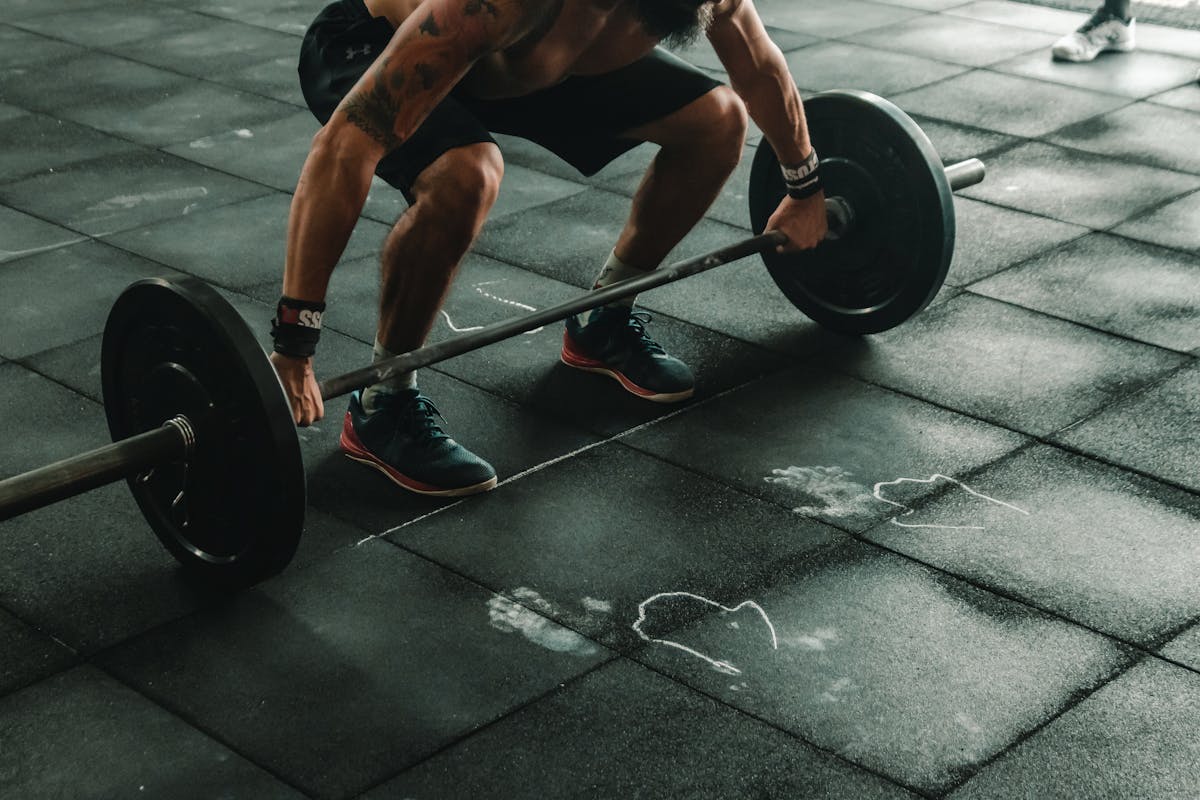
The hip hinge is perhaps the most important movement pattern for posterior chain development. This pattern involves flexion and extension at the hips while maintaining a neutral spine—critical for deadlifts, kettlebell swings, and good mornings.
Key exercises: Romanian deadlifts, kettlebell swings, hip thrusts, good mornings
Biomechanical significance: The hip hinge transfers force from the lower body through a stable core to the upper body, mirroring athletic movements like jumping, sprinting, and tackling.
Hip Dominant vs. Knee Dominant Patterns
Understanding the distinction between hip-dominant and knee-dominant movements is crucial for balanced lower-body development:
Hip Dominant: Movements where the hips travel significantly backward, emphasizing the glutes and hamstrings. Examples include Romanian deadlifts, hip thrusts, and glute bridges.
Knee Dominant: Movements where the knees travel forward over the toes, emphasizing the quadriceps. Examples include squats, lunges, and step-ups.
Research from 2025 demonstrates that athletes with balanced hip-to-knee dominant strength ratios show 34% lower rates of ACL injuries and improved sprinting mechanics.
Vertical and Horizontal Push Movements
Vertical Push: Overhead pressing movements that develop shoulder stability and upper body strength. Key exercises include overhead press, push press, and handstand push-ups.
Horizontal Push: Movements where force is directed away from the body horizontally. This includes bench press, push-ups, and chest press variations.
Vertical and Horizontal Pull Movements
Vertical Pull: Movements where the arms pull downward from overhead, targeting the latissimus dorsi and scapular stabilizers. Examples: pull-ups, lat pulldowns, and straight-arm pulldowns.
Horizontal Pull: Rowing movements that strengthen the mid-back and improve posture. Examples: barbell rows, dumbbell rows, inverted rows, and seated cable rows.
Current research emphasizes the importance of maintaining a 2:1 or 3:2 pull-to-push ratio to counteract the postural imbalances common in modern sedentary lifestyles.
Rotational and Anti-Rotational Patterns
Rotational: Movements that involve twisting through the torso, essential for throwing, striking, and change-of-direction sports. Examples: medicine ball rotational throws, cable woodchops, and Russian twists.
Anti-Rotational: Movements that resist rotation, building core stability. Examples: Pallof press, single-arm carries, and plank shoulder taps.
Anti-Movement Patterns
These patterns resist unwanted motion to maintain spinal integrity under load:
- Anti-Extension: Resisting arching of the lower back (planks, ab wheel rollouts)
- Anti-Flexion: Resisting rounding of the spine (deadlifts with proper bracing)
- Anti-Lateral Flexion: Resisting side-bending (side planks, suitcase carries)
Locomotion Patterns
These involve moving the body through space:
- Gait/Carry: Walking with load (farmer’s carries, suitcase carries)
- Crawling: Quadrupedal movements that develop cross-body coordination
- Lunging: Single-leg movements in various planes
How to Classify Exercises Properly
When evaluating any exercise, ask these questions:
1. What is the primary joint action?
2. What direction is force being applied?
3. Is the movement single-leg, single-arm, or bilateral?
4. What plane of motion is dominant?
5. What is the primary intended adaptation?
This classification system prevents programming gaps and ensures balanced development across all movement capabilities.
Sport-Specific Applications
Different sports demand different movement pattern emphases:
Football/Rugby: High emphasis on hip hinge (tackling), horizontal push (blocking), and anti-rotation (maintaining position under contact)
Tennis/Golf: Dominant rotational patterns combined with single-leg stability
Swimming: Vertical and horizontal pulling with anti-rotation core demands
Basketball: Knee-dominant patterns for jumping, with rapid transitions between patterns
Programming Example: Balanced Weekly Template
Day 1 – Lower Body Focus:
- Hip Hinge: Romanian Deadlifts 4×8
- Knee Dominant: Front Squats 4×6
- Hip Dominant: Bulgarian Split Squats 3×10/leg
- Anti-Rotation: Pallof Press 3×12/side
Day 2 – Upper Body Push/Pull:
- Horizontal Push: Bench Press 4×8
- Horizontal Pull: Bent-Over Rows 4×10
- Vertical Push: Overhead Press 3×10
- Vertical Pull: Weighted Pull-ups 3×8
Day 3 – Full Body/Rotation:
- Hip Hinge: Kettlebell Swings 4×15
- Rotational: Medicine Ball Side Throws 3×10/side
- Locomotion: Farmer’s Carries 3×40 yards
- Anti-Extension: Ab Wheel Rollouts 3×10
Actionable Takeaways
1. Audit your current program: Identify which movement patterns you’re neglecting and add exercises to fill those gaps.
2. Master the basics first: Focus on movement quality before adding load. Poor patterning under load leads to compensation and injury.
3. Maintain balance: Aim for roughly equal volume across opposing movement patterns (push/pull, hip/knee dominant).
4. Progress systematically: Start with bodyweight variations, then add load, then complexity (single-leg/single-arm), then speed/power.
5. Apply the SAID principle: Your training should reflect the Specific Adaptations to Imposed Demands of your sport or daily activities.
6. Regular reassessment: Every 4-6 weeks, review your program to ensure all patterns are being trained adequately.
—
Word count: ~950 words
Category: Movement & Fitness
