
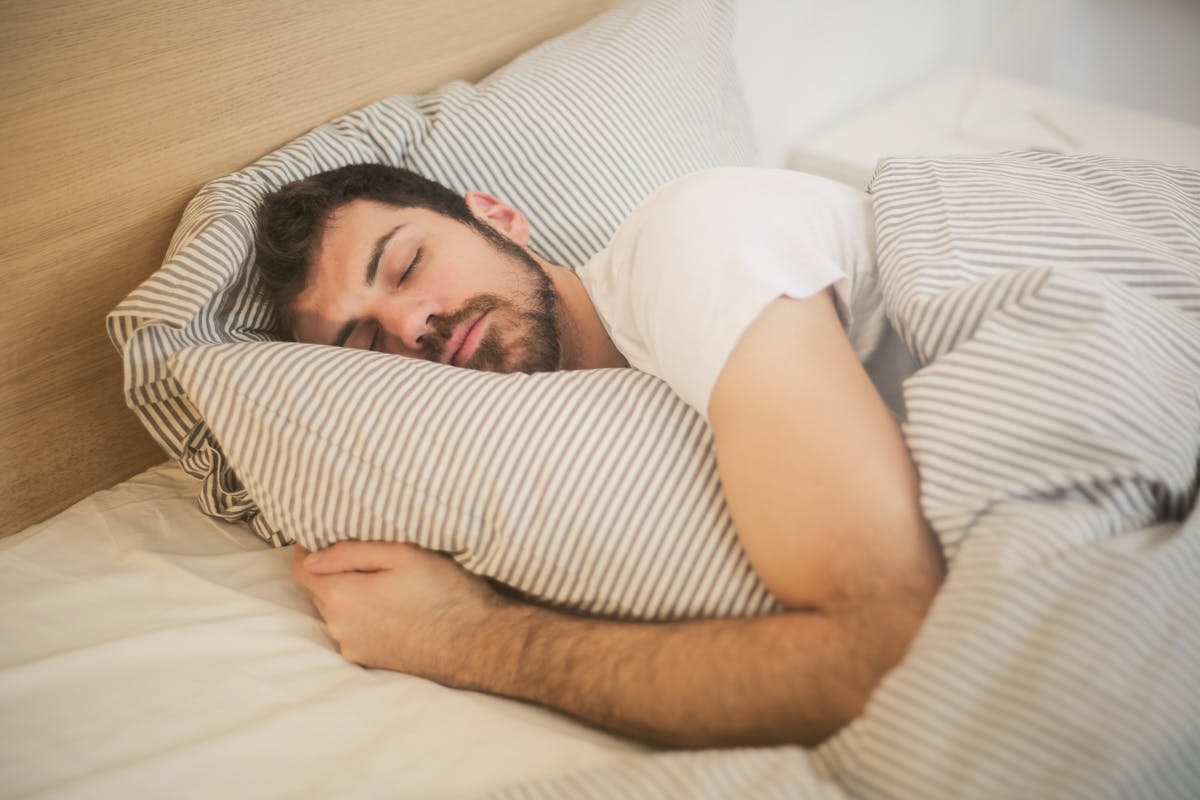

In a culture that often equates busyness with productivity, napping can seem like laziness. But emerging research is challenging this perception, revealing that a well-timed afternoon nap may offer significant benefits for brain health, learning, and cognitive function.
The Science Behind Napping
Why Do We Feel Sleepy in the Afternoon?
The afternoon “slump” isn’t just about lunch or inadequate sleep the night before. It reflects a natural dip in our circadian rhythm—the internal body clock that regulates sleep-wake cycles.
Between approximately 1:00 PM and 3:00 PM, the body experiences:
- A drop in core body temperature
- Reduced alertness signals
- Increased sleep drive
This is why many cultures with siesta traditions naturally rest during these hours—and why modern workers often find themselves reaching for coffee mid-afternoon.
What Happens During a Nap?
Even brief periods of sleep trigger important processes:
Light Sleep (NREM Stage 1-2):
- Muscles relax
- Heart rate and breathing slow
- Brain waves decelerate
- Memory consolidation begins
Deeper Sleep (NREM Stage 3):
- Physiological restoration
- Tissue repair
- Immune function support
- Deeper memory processing
REM Sleep:
- Emotional processing
- Creative problem-solving
- Integration of new information
The length of your nap determines which processes you access.
New Research: Naps and Brain Health
Recent Findings
A growing body of research, including recent studies, has found that short afternoon naps offer brain health benefits, including improved learning ability and cognitive function.
Key Benefits Discovered
Learning Enhancement:
- Naps appear to help “clear” the brain’s temporary storage, making room for new information
- Post-nap learning performance often improves compared to staying awake
- Motor skills and procedural memory benefit significantly
Memory Consolidation:
- Information learned before a nap is often better retained
- The brain uses sleep to transfer memories from short-term to long-term storage
- Both factual and procedural memories benefit
Cognitive Restoration:
- Attention and concentration improve after napping
- Reaction times speed up
- Decision-making abilities sharpen
Brain Health Protection:
- Some observational studies suggest regular napping may be associated with slower cognitive decline
- May reduce stress and inflammation that can damage brain cells
- Potential protective effects against neurodegenerative conditions
The Optimal Nap: Length Matters
Sleep researchers have identified different nap “sweet spots” for different purposes:
Power Nap (10-20 minutes)
Benefits:
- Improved alertness and concentration
- Quick energy boost
- No grogginess upon waking
Best for:
- Mid-afternoon energy dip
- Pre-meeting alertness
- Driving fatigue
Why it works: You stay in light sleep stages, avoiding deeper sleep that causes grogginess when interrupted.
Medium Nap (30-60 minutes)
Benefits:
- Enhanced memory consolidation
- Improved motor skill learning
- Better problem-solving
Caution: Waking during deep sleep can cause sleep inertia (grogginess that can last 15-30 minutes). Allow extra time to wake fully before demanding tasks.
Full Cycle Nap (90 minutes)
Benefits:
- Complete sleep cycle including REM
- Creativity enhancement
- Emotional processing
- Procedural memory consolidation
Best for: Creative work, learning complex new skills, processing emotional experiences.
Timing Your Nap
Best Time to Nap
Research suggests the ideal nap window is:
Between 1:00 PM and 3:00 PM
This aligns with:
- Natural circadian rhythm dip
- Being far enough from bedtime to not interfere with night sleep
- Optimal brain receptivity to rest
When to Avoid Napping
- After 3:00 PM (may interfere with night sleep)
- If you have insomnia (may worsen sleep difficulties)
- When you need immediate alertness after waking (if you tend toward sleep inertia)
Napping vs. Meditation: Complementary Practices
Interestingly, some research suggests that for certain individuals, meditation or quiet rest can provide benefits similar to light napping. However, actual sleep appears to offer unique advantages for memory consolidation and cognitive restoration that non-sleep rest doesn’t fully match.
For those who practice Tai Chi (as we discussed in our Tai Chi articles), the mindful movement practice offers additional brain benefits through physical activity combined with mental focus. A short Tai Chi session could serve as an alternative to napping for those who find midday sleep difficult.
Practical Tips for Strategic Napping
1. Create Your Nap Environment
- Darkness: Use an eye mask or blackout curtains
- Quiet: White noise or earplugs can help
- Temperature: Slightly cool is conducive to sleep
- Comfort: A comfortable chair, couch, or nap pod works
2. Prepare Your Body
- Avoid heavy meals right before napping
- Limit caffeine consumption (napping after caffeine may not feel restful, though caffeine naps are a strategy some use—napping as caffeine takes effect)
- Empty your bladder
- Set an alarm to avoid oversleeping
3. Develop a Routine
- Consistent timing helps train your body
- Short pre-nap ritual (deep breaths, eye mask) signals sleep
- Post-nap routine (stretching, water) eases transition
4. Track Your Results
Notice how different nap lengths affect:
- Energy levels
- Afternoon productivity
- Evening sleep quality
- Overall mood
Who Should and Shouldn’t Nap
Napping May Benefit:
- People who don’t get enough night sleep
- Those with naturally lower afternoon energy
- Shift workers adjusting schedules
- People recovering from illness or intensive activity
- Those learning new skills or studying
Caution for:
- People with insomnia—napping may worsen night sleep
- Those with depression—excessive daytime sleepiness can be a symptom
- People taking certain medications that cause drowsiness
- Those with sleep disorders—professional guidance is recommended
Napping and Circadian Rhythm
As we explored in “Circadian Nutrition: The Timing Revolution for Hormonal Balance,” the timing of activities—eating, sleeping, exercising—matters for hormonal health. Napping is no exception.
The ideal nap respects your circadian rhythm by:
- Occurring during natural energy dips
- Not extending into evening hours
- Not replacing adequate night sleep
- Being consistent day-to-day when possible
The Cultural Shift Around Rest
Many high-performing cultures and companies now embrace strategic napping:
- Companies like Google and NASA have provided nap pods
- Elite athletes often incorporate naps into training schedules
- Some schools are experimenting with rest periods for students
This reflects a growing understanding: rest isn’t the opposite of productivity—it enables productivity.
Integrating Napping With Your Lifestyle
If you want to incorporate strategic napping:
Start small: Try a 10-15 minute nap during the afternoon energy dip
Be consistent: Same time daily helps regulate your body clock
Protect night sleep: If napping affects your night sleep, reduce or eliminate naps
Listen to your body: Some people naturally need more rest than others
Combine strategically: Pair naps with other brain-healthy habits like exercise and proper nutrition
Common Questions
“If I’m not tired, should I still nap?”
No—forcing sleep isn’t beneficial. Quiet rest or meditation may be better alternatives.
“Why do I feel worse after napping?”
Sleep inertia—waking from deep sleep stages causes temporary grogginess. Try shorter naps or allow recovery time.
“What if I don’t have time to nap?”
Even 10 minutes can help. Consider if there’s time you could reallocate—perhaps the afternoon social media scroll could become rest time.
The Bottom Line
Research continues to reveal that strategic napping isn’t just pleasant—it’s a legitimate tool for brain health, learning, and cognitive performance. The key is intentionality: timing naps appropriately, keeping them at the right length, and integrating them thoughtfully into your overall sleep and lifestyle habits.
In our always-on culture, choosing to rest can feel counterintuitive. But the science is clear: sometimes the most productive thing you can do is pause. Your brain may thank you for it.
Disclaimer: This article is for informational purposes only and does not constitute medical advice. If you experience chronic daytime sleepiness, difficulty sleeping at night, or other sleep concerns, consult a healthcare provider.
